
Long-Term Business Loans: Key Eligibility Criteria And Application Steps

Loan Terms, Pricing, and Repayment Considerations for Long-Term Business Loans
Loan pricing and repayment structure are core determinants of long-term affordability. Interest rates may be fixed or variable and often reflect perceived credit risk, collateral quality, and prevailing market conditions. Amortization schedules determine monthly or periodic payment amounts and can significantly affect cash flow: longer amortizations reduce periodic payments but may increase total interest paid. Some long-term loans include initial interest-only periods or balloon payments at maturity; each structure has different implications for liquidity and refinancing risk.
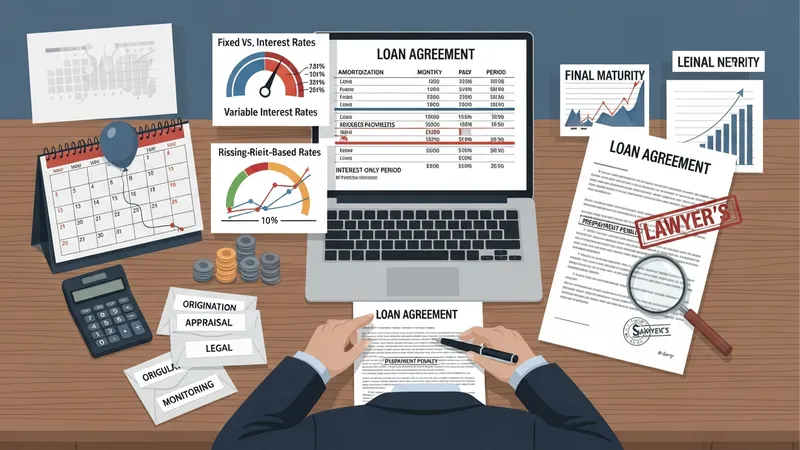
Fees and ancillary costs also influence total financing expense. Lenders may charge origination fees, appraisal fees, legal fees, and ongoing monitoring fees. Prepayment provisions and penalties can affect the flexibility to refinance if market conditions improve. When estimating the cost of long-term financing, businesses may factor in both scheduled interest and the likely duration-dependent fees, recognizing that some charges are one-time while others recur across the loan’s life.
Covenants and reporting requirements are common in long-term credit agreements. Financial covenants may require maintaining minimum liquidity levels, maximum leverage ratios, or minimum debt service coverage; breach of covenants can trigger remedial actions or default. Lenders can request periodic financial statements, budgets, or asset inspections to ensure ongoing compliance. Understanding these operational obligations is important because they influence management decision-making and the administrative burden of maintaining the loan.
Refinancing and exit strategies are considerations throughout the loan term. Businesses often assess whether projected cash flow improvements, asset appreciation, or changes in interest rates could enable earlier refinancing on different terms. Conversely, adverse shifts in performance can complicate refinancing and increase the importance of covenant flexibility and contingency planning. Evaluating repayment scenarios and potential refinancing paths provides context for selecting appropriate terms at origination.