
Long-Term Business Loans: Key Eligibility Criteria And Application Steps

Documentation and Application Steps for Long-Term Business Loans: preparing package and timelines
Assembling a complete documentation package typically speeds underwriting for long-term loans. Common elements include recent financial statements (audited or reviewed where available), tax returns, bank statements, organizational documents, material contracts, and ownership disclosures. Lenders may also request cash flow forecasts for the loan term that illustrate projected sources and uses. Third-party items such as appraisals, environmental assessments for real estate, and equipment valuations may be required depending on the collateral type. Providing clear, consistent records often reduces back-and-forth during due diligence.
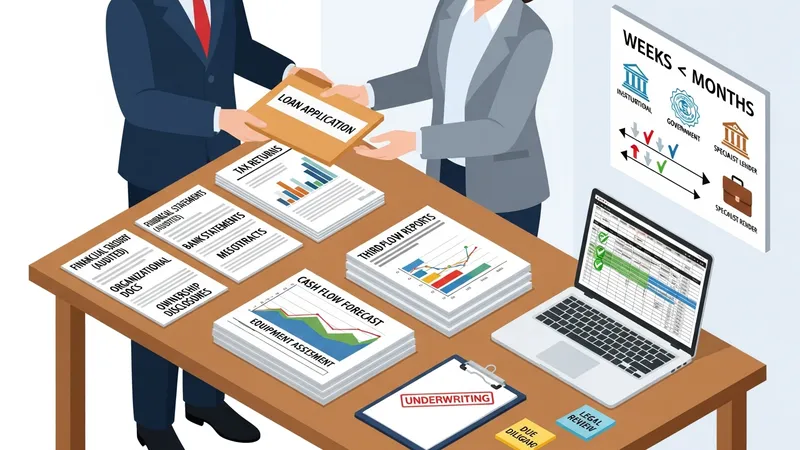
The application process often proceeds through initial inquiry, submission of key documents, lender due diligence, and legal review. Initial prequalification may be based on high-level metrics like revenue ranges and collateral types, but full underwriting commonly involves deeper financial analysis and verification. Typical timelines can vary widely by lender type: institutional banks and government-backed programs may take weeks to months, while specialist asset lenders might complete reviews more quickly. Anticipating these timelines helps businesses plan financing and operational milestones.
Financial projections and supporting assumptions are an important part of the application. Lenders may request sensitivity analyses that show how debt service would be impacted under lower revenue or higher interest-rate scenarios. Providing transparent assumptions about growth rates, cost trends, and capital expenditure needs enables underwriters to assess sustainability of repayment across the loan term. Conservative projections that acknowledge downside scenarios often receive clearer consideration than overly optimistic forecasts without supporting evidence.
Legal and compliance steps can include title searches, security filings, and the drafting of loan agreements and covenants. Security instruments vary by asset: mortgages for real estate, chattel mortgages or security agreements for equipment, and assignments for certain receivables. Borrowers should anticipate negotiations over covenant language and the scope of permitted actions. Because these legal elements directly affect future flexibility, they commonly represent substantive parts of the final loan documentation and the timeline to funding.