
High Viscosity Pumps: Key Design Features And Operating Principles

Operational performance, maintenance, and common applications
Volumetric efficiency, mechanical efficiency, and overall energy use are interrelated performance metrics for viscous-fluid pumps. Volumetric efficiency can be affected by internal slip and by the presence of compressible phases; mechanical efficiency depends on frictional losses and bearing design. Energy consumption per unit volume pumped typically increases with viscosity, so system designers factor this into motor sizing and thermal management plans. Performance testing with representative fluids under anticipated temperature and pressure ranges is commonly recommended to set realistic expectations.
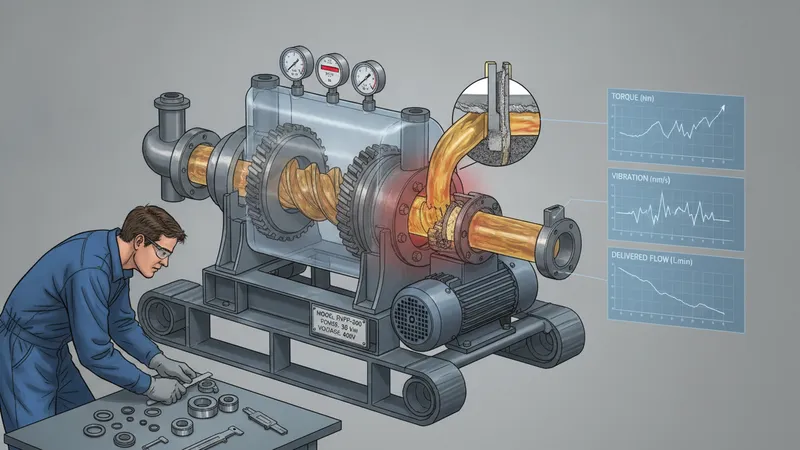
Maintenance considerations often focus on wear parts and seal longevity. In rotary designs, rotor and stator wear or gear tooth wear can slowly change clearances and affect flow; scheduled inspections and dimension checks provide early warning. Seal leakage may indicate hardening or swelling of elastomers or particulate intrusion; planned replacement intervals and availability of spare kits are typical elements of robust maintenance planning. Monitoring trends in torque, vibration, and delivered flow can signal when service is advisable.
Applications that frequently use these pump approaches include polymer processing, adhesives and sealants, food pastes and syrups, asphalt and bitumen handling, and slurry transfer with moderate solids. Each sector emphasizes different priorities: sanitary finish and cleanability in food, low shear in adhesive metering, and abrasion resistance for slurries. Recognizing these contextual differences helps in specifying pump families, materials, and auxiliary systems without implying a single optimum for all use cases.
Final operational considerations include instrumentation and safety integration. Pressure relief, over-torque protection, and temperature interlocks are commonly incorporated to avoid equipment damage and maintain process control. Where product properties are critical, sampling ports and inline monitoring may be used to verify that pumping has not altered the fluid adversely. These measures support reliable service life and predictable performance when aligned with the pump type and material choices described earlier.