
Air Pollution Monitors: How Sensors Track Particulate Matter And Gases

Data handling, calibration, and quality assurance practices
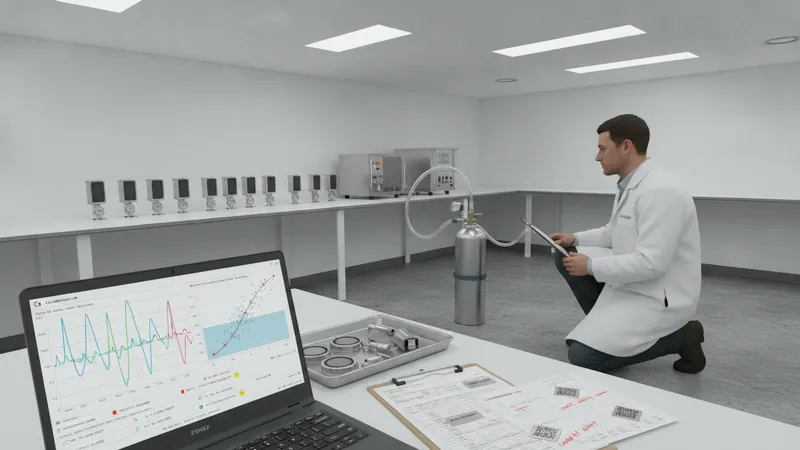
Data from particle and gas sensors often require preprocessing to be informative. Common steps include time-alignment of streams, averaging to appropriate time intervals, and removal or flagging of periods with sensor faults. Calibration transforms raw sensor outputs into concentration units; methods range from laboratory gas challenges and filter comparisons to field co-location with reference monitors and statistical correction models. Calibration frequency may vary by sensor type and environmental stressors, and calibration coefficients can drift with sensor aging. Documented calibration logs and metadata improve traceability and post-processing reliability.
Uncertainty characterization is a critical aspect of quality assurance. Reporting a concentration together with an uncertainty range or a quality flag helps data users interpret measurements appropriately. Uncertainty sources include instrument precision, calibration error, environmental interferences, and sampling artifacts. In practice, networks often implement routine intercomparisons, replicate sampling at select sites, and controlled checks to estimate combined uncertainties. These practices can clarify the expected reliability of trends and specific measurements without implying absolute certainty.
Data interoperability and standardization improve the value of monitoring networks. Using common time stamps, units, and data formats facilitates aggregation and comparison across instruments and sites. Open data protocols and metadata standards used by many research and monitoring communities can support integration with modeling, health studies, and regulatory assessments. While standards do not remove all comparability challenges, they often reduce barriers to multi-source analyses and enable more robust interpretations when combined with documented limitations.
Insider considerations include planning for sensor maintenance cycles, understanding power and communications constraints for remote sites, and preparing for seasonal changes that may affect sensor response. Deployments often budget time for initial co-locations with reference instruments and periodic checks thereafter. Analysts commonly apply conservative filtering rules during data cleaning and supplement quantitative outputs with diagnostic indicators that signal potential sensor degradation. These practices aim to preserve data usefulness while acknowledging typical operational limitations.