
Truck Crash Legal Guide: Understanding Your Rights After A Serious Collision

Truck Crash Legal Guide: Insurance Claims and Liability Considerations
Insurance claims and liability assessments often proceed concurrently after a serious truck collision. Commercial carriers and their insurers typically investigate incidents to determine coverage applicability and fault. Various types of policies may be relevant, including primary liability coverage, excess or umbrella policies, and cargo insurance. The interaction among those policy layers often affects which insurer responds to a particular claim. Understanding the typical structure of commercial motor carrier insurance and the potential for multiple insurers to be involved can clarify administrative steps and expected timelines.
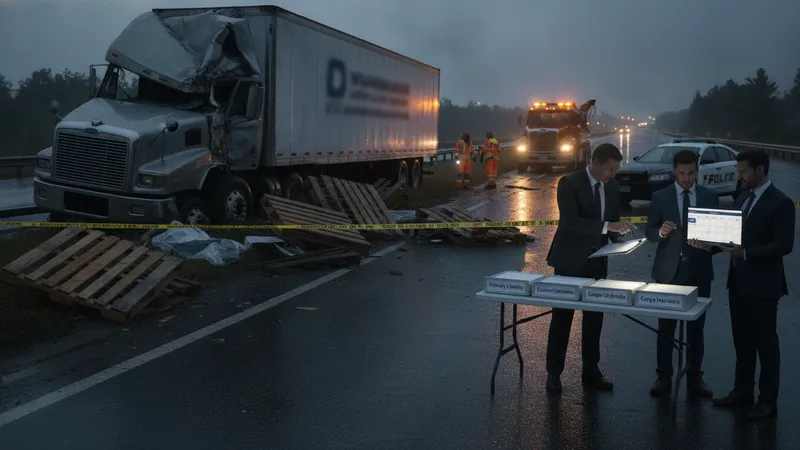
Liability considerations commonly involve analysis of driver conduct, vehicle maintenance, carrier compliance, and external factors such as road conditions. Legal theories that parties may assert include negligence, negligent hiring or retention, vicarious liability for employer actions, and equipment or maintenance-based claims. Comparative fault rules in many jurisdictions can affect recovery when multiple parties share responsibility; such rules typically reduce recovery proportionally rather than bar it outright in many systems. The presence of regulatory violations, such as hours-of-service breaches, can factor into liability assessments but do not automatically decide fault.
Insurance claim processes often begin with notice to the carrier and insurer, followed by an insurer investigation that may involve document requests, interviews, and assessments of damages. Carriers and insurers often seek to identify responsible parties and the applicable policy limits. Claim adjusters may review medical records, repair estimates, and loss documentation. Disputes over liability, compensable losses, or coverage scope are common and may be resolved through negotiation, alternative dispute resolution mechanisms, or formal proceedings depending on the jurisdiction and the parties’ positions.
Settlement frameworks typically address compensatory elements such as property damage, medical expenses, lost earnings, and certain non-economic losses where recognized by law. In many places, damage calculations may include present and future losses, and expert opinions on prognosis or economic impact can be part of the assessment. The presence of multiple insurers, jurisdictional rules on damages, and procedural timelines may each influence how and when a claim is resolved. Clear documentation and preservation of supporting materials often facilitate settlement discussions or evidentiary presentation if matters proceed further.