
The Intersection Of Technology And Healthcare: Opportunities And Challenges

Virtual Reality: New Realms in Treatment
Once considered a playground for entertainment, virtual reality is revolutionizing healthcare with its immersive capabilities. Patients and practitioners alike are experiencing a redefined interaction through VR’s vivid simulations, enhancing understanding and collaboration.
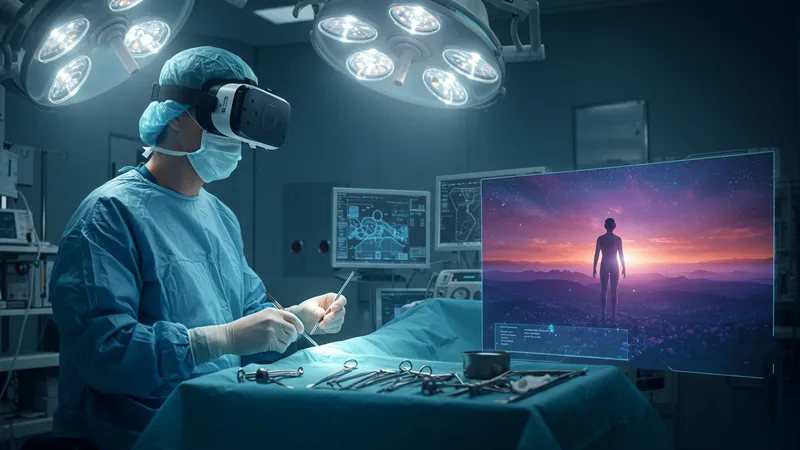
From patient education to the practice of new surgical techniques, VR is changing how we visualize healthcare. Imagine performing surgery in a simulated world where scenarios unfold endlessly, offering a risk-free environment for honing skills. Or patients in chronic pain finding solace through ethereal realms that comfort and distract—the applications are limitless.
Emphasizing empathy, VR creates realistic simulations to understand what it’s like living with certain conditions. This capability fosters compassion and a deeper connection, translating to humane patient care and enhanced training tools for medical students. It’s as if VR blurs lines between perception and reality, conjuring a transformative impact on therapeutic practices.
The cost of deploying VR technology in healthcare is declining, making it more accessible. Experiences once entrenched in medical fantasy now align with clinical realities, reshaping patient-practitioner dynamics. As VR continues to meld into therapeutic spaces, what comes next might elevate healthcare to unprecedented heights and possibilities…