
Telehealth Platforms For Therapists: Key Features, Functions, And Clinical Use

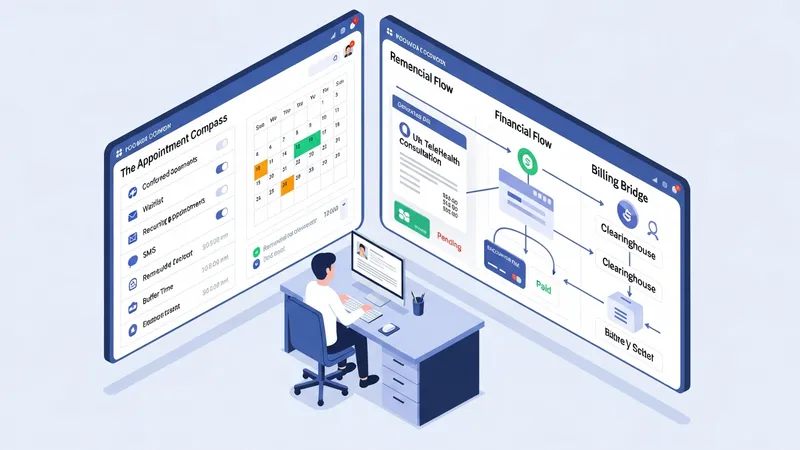
Administrative, billing, and reimbursement workflows commonly supported by remote-care systems
Administrative modules often address appointment management, automated reminders, and basic invoicing. Scheduling systems may support waitlists, recurring appointments, and buffer times between sessions. Reminder controls typically let practices choose timing and channels (email, SMS), subject to local communication rules. Invoicing features may generate simple bills or receipts and accept integrated payments through third‑party processors. The extent of automation varies widely; some platforms focus mainly on scheduling while others offer fuller practice-management functionality.
Billing and payer interactions can be complex and jurisdiction-dependent. Platforms may assist by exporting encounter details in formats compatible with billing systems or by offering integrations to clearinghouses and practice management software. Coding guidance, claim submission workflows, and payer-specific rules are usually managed outside the platform or via third-party integrations, so clinicians often confirm compatibility with local billing processes. Reimbursement policies for remote services vary by region and payer, so platforms rarely guarantee coverage but may facilitate documentation that supports claims.
Revenue flow and payment processing features differ in risk and fees. Integrated payment processors can streamline client payments and produce transaction records, but they may impose processing fees and require merchant agreements. Platforms sometimes provide two options: in-platform payments for convenience or external invoicing that practitioners manage with separate accounting software. The choice can affect reconciliation and reporting practices for a small practice or larger clinic.
Operational reporting and analytics may be available to support administrative decision-making. Typical reports include appointment utilization, cancellation rates, revenue summaries, and basic clinical activity logs. These reports can help practices monitor workload and identify patterns in service delivery. Exportable reports and data portability features often support further analysis in external accounting or business intelligence tools.