
Telehealth Platforms For Therapists: Key Features, Functions, And Clinical Use

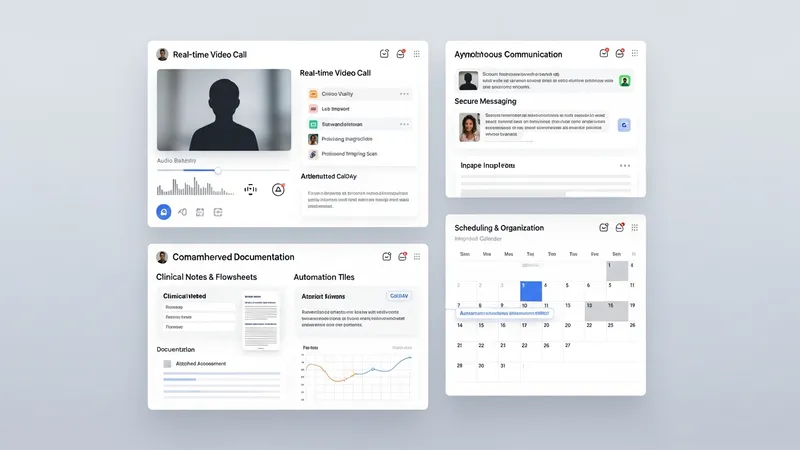
Feature categories and core components relevant to remote mental health care systems
Feature sets typically cluster around real‑time communication, asynchronous messaging, scheduling, documentation, and administrative automation. Real‑time communication components focus on video and audio stability, echo cancellation, and adjustable video quality depending on bandwidth. Asynchronous messaging may include secure text exchanges, file transfer, and structured intake forms. Scheduling features commonly offer calendar synchronization, buffer rules, and automated reminders. Documentation modules provide note templates, clinical flowsheets, and the ability to attach assessments. Administrative automation can handle invoicing, receipts, and basic reporting that supports practice administration.
Interoperability and integration options often differentiate platforms. Common integrations include single sign-on (SSO) with workplace identity providers, calendar sync (e.g., iCal/CalDAV), and export or API connections to electronic health record systems or measurement registries. Platforms may expose application programming interfaces (APIs) or data export tools (CSV, PDF, CCD) that allow clinicians to move records or reporting to complementary systems. When interoperability is important, practitioners may weigh supported standards and export formats.
User experience features can materially affect adoption and session flow. Clinician interfaces that present session notes, consent documentation, and outcome measures in the same screen may reduce context switching. Client portals that guide users through test connections, intake steps, and billing information may lower no‑show rates. Accessibility features—such as adjustable font sizes, captioning, or mobile-optimized layouts—may improve access for diverse client populations. Usability testing and platform demos often reveal practical differences in daily workflows.
Performance and reliability considerations typically include uptime, latency, and support for variable network conditions. Some systems implement adaptive bitrate streaming to maintain call continuity on unstable connections. Platform-level logging and session diagnostics can help troubleshoot technical issues during appointments. Many organizations consider backup workflows (for example, a fallback telephone contact process) as part of routine planning for sessions that experience technical interruptions.