
Roof Repair: Identifying Common Roofing Problems And Early Warning Signs

Types of common roofing defects and how they signal deterioration
Shingle-related defects often begin with superficial signs such as granule loss, cracking, or edge lifting; over time these may permit water infiltration beneath the shingle layer. Flashing issues frequently show as displaced or corroded metal at penetrations, which can create concentrated leak points. On low-slope roofs, ponding or membrane blisters may appear where drainage is inadequate. Structural warning signs such as sagging rooflines or localized deck deflection can indicate compromised substrate or timber rot. Observers typically note the material-specific signs first and then use targeted inspection methods to establish whether those signs reflect active or historical problems.
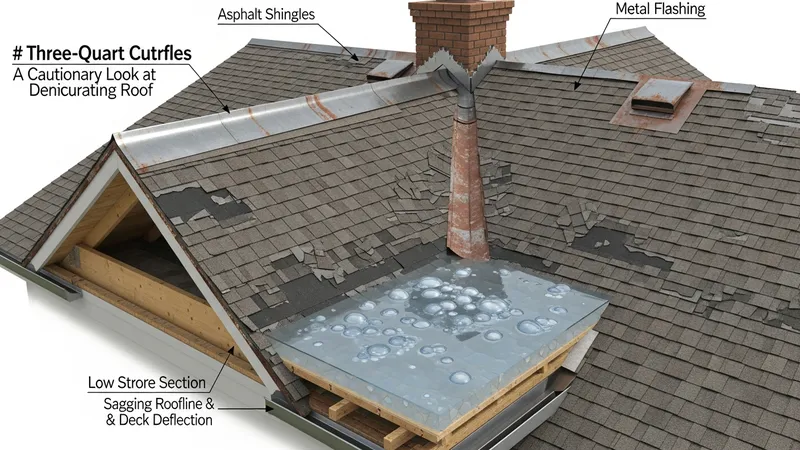
Surface debris and drainage obstructions can accelerate many defects by retaining moisture against roofing materials. Leaves and organic matter in gutters and valleys often block flow and increase the likelihood of ice dam formation in cold climates, which can back up water under eaves. Similarly, tree overhang can abrade surfaces and drop branches that damage membranes or shingles. While these are often secondary contributors rather than primary failures, their presence usually correlates with more rapid visible deterioration and may guide preventive maintenance priorities without implying that removal alone resolves all underlying issues.
Regular attic inspections complement exterior observations by revealing internal manifestations of roof problems. Dark stains on rafters, compressed or wet insulation, and active condensation are typical attic indicators that moisture has penetrated the roof assembly. In many cases, attic signs help distinguish between surface-level staining caused by past events and ongoing leakage. When attic findings are combined with exterior anomalies—such as gaps in flashing or cracked shingles—they can narrow the potential source to a specific roof area for further diagnostic testing, such as moisture metering or small-access probes.
Material aging and environmental exposure patterns often shape the defect profile for a given roof. Ultraviolet exposure, freeze-thaw cycles, and thermal movement can all contribute to progressive deterioration at joints and exposed edges. For example, repeated thermal cycling may loosen fasteners and split sealants, which typically leads to seam or penetration failures. Understanding these common pathways of degradation helps observers interpret isolated signs—such as a single lifted shingle—as potentially indicative of broader, environmentally driven processes rather than an isolated manufacturing defect.