
Regus Spaces: Understanding Flexible Office And Coworking Options

Operational considerations and practical advice for integrating flexible workspace into organisational plans
Adopting flexible workspace options often requires internal policy adjustments, such as guidelines for desk booking, visitor management, and equipment storage. Clear policies can help employees understand available resources and expectations for shared areas. For hybrid teams, scheduling tools and defined quiet or collaboration zones can mitigate conflicts and support predictable space usage. Organisations commonly pilot different access models to gather usage data before committing to a particular mix of private and shared spaces.
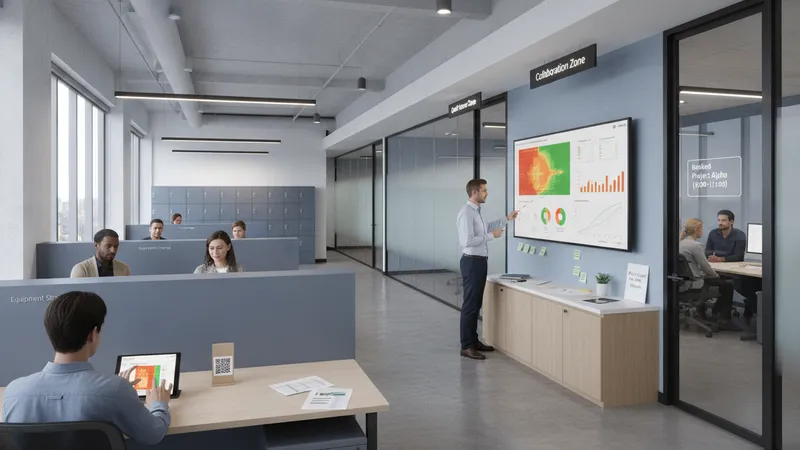
Measuring utilisation is an operationally useful practice: tracking peak occupancy days, meeting-room booking frequency, and desk reservation rates can inform whether the chosen mix of services matches actual needs. Analysis of these metrics over several months may reveal patterns—such as high meeting demand on certain weekdays—that guide adjustments to membership levels or room credit allocations. Such metrics are typically used to align space commitments with observed behaviour rather than speculative forecasts.
Security and compliance considerations may influence space selection for certain activities. Companies handling regulated data or requiring secure environments often seek sites with private, lockable suites and enhanced access controls. It is generally prudent to document any compliance requirements and confirm how a provider’s standard practices align with them. Where necessary, organisations can arrange for additional measures or locate activities that handle sensitive information to spaces that meet their operational security needs.
Finally, integrating flexible space into a broader real estate strategy often involves balancing cost, employee experience, and business continuity. Some organisations maintain a smaller central hub for core staff and supplement it with network access for distributed teams. Others utilise network locations for temporary project space. These approaches commonly aim to preserve flexibility while maintaining a coherent operational framework. Readers may find it helpful to evaluate short pilots and revisit arrangements periodically to ensure alignment with evolving work patterns and organisational goals.