
Profit And Loss Software: How Small Businesses Can Track Income And Expenses

Implementation considerations and ongoing maintenance
Initial setup typically involves defining a chart of accounts and mapping existing transaction categories into the system. A clear chart of accounts tailored to the organization’s operations may make period profit-and-loss statements more interpretable. During implementation, importing historical transactions and reconciling opening balances may be necessary to ensure continuity in reporting. Organizations often document mapping rules and category definitions to maintain consistency as staff change or as new transaction types emerge.
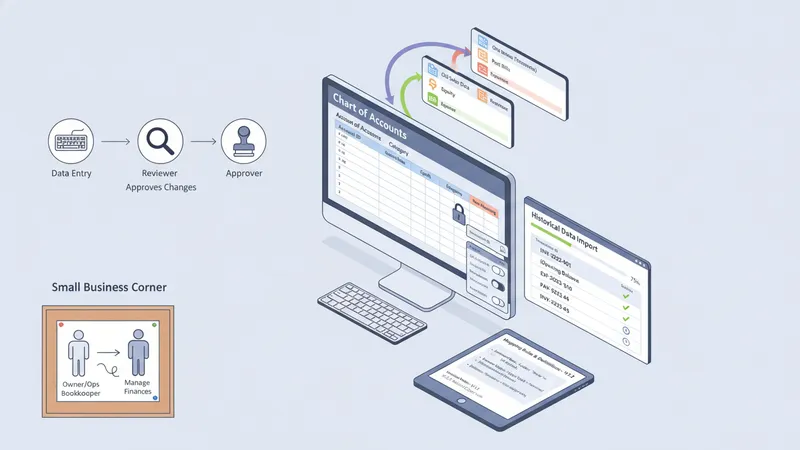
User roles and permissions can limit who may edit financial entries or post period adjustments, providing internal control over reported results. Assigning roles for data entry, review, and approval creates separation of duties that may reduce accidental errors. Small operations may apply simpler role structures but should still document who is responsible for reconciliation and who has authority to make adjustments to prior periods to preserve accountability.
Maintenance tasks include periodic review of category mappings, cleanup of uncategorized transactions, and reconciliation of bank and payment-platform statements. Updating automated rules and integrations when vendor descriptors change helps keep categorization accurate. Regular exports and archived backups in common file formats support data portability and review by external advisors, which can be useful for tax preparation or financial audits where source data must be examined.
Training and documentation contribute to sustainable practices. Simple guides describing category definitions, the reconciliation cadence, and how to handle exceptional items can reduce variability in recordkeeping. Periodic reviews of reporting needs and the software’s configuration may help ensure that the profit-and-loss outputs continue to reflect the organization’s informational needs as it grows or changes. This ongoing attention tends to preserve accuracy and usefulness of periodic statements over time.