
Pharmacy POS Systems: How Integrated Software Supports Dispensing And Sales

Regulatory Compliance and Reporting in Pharmacy POS Systems
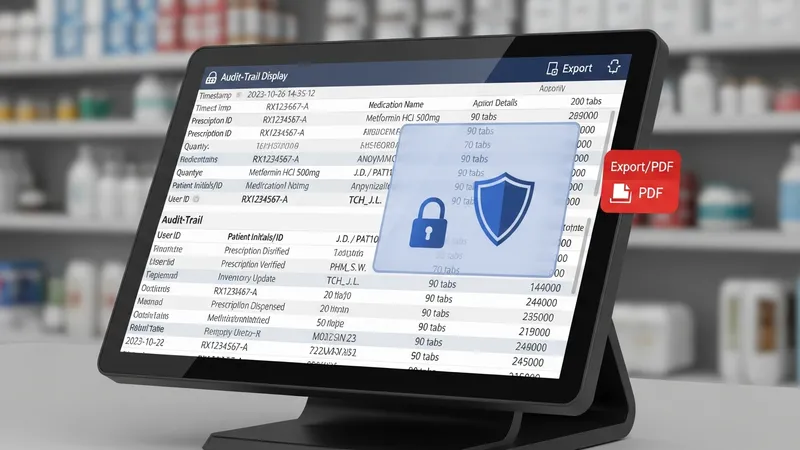
Regulatory compliance considerations often influence how pharmacy POS systems manage prescription records, controlled substances, and patient privacy. Systems may maintain audit trails that capture user identities, timestamps, and action details for each dispensing event. For jurisdictions requiring scheduled substance reporting, systems can often produce exports or formatted reports that align with regulatory requirements. Maintaining complete and accurate logs may assist pharmacies during inspections or internal reviews without implying any specific regulatory outcome.
Data privacy and security are frequent priorities when POS systems handle patient information. Systems often implement role-based access control, password policies, and activity logs so that only authorized personnel can view or modify protected health information. Secure network communication and encrypted storage are commonly recommended practices to limit exposure to unauthorized access. When integrating with external services, secure interfaces and contractual safeguards may be used to manage data handling expectations.
Claims submission and reimbursement reporting typically require accurate capture of payer information, NDCs, quantities, and patient demographics. POS systems integrated with claims gateways can often produce transaction records suitable for insurer adjudication and can store responses for reconciliation. Reversals and adjustments are commonly supported to correct errors. Such features aim to reduce manual reconciliation workload, though staff oversight may still be needed for complex denials or manual payer requirements.
Audit readiness often benefits from structured documentation and accessible reporting. Systems may permit scheduled exports of dispensing logs, financial summaries, and inventory movements that auditors or compliance officers can review. Standardizing naming conventions, documenting workflow procedures, and training staff on proper data entry can reduce inconsistencies in system records. These practices may facilitate more efficient internal reviews and external compliance checks.