
Mental Health Electronic Health Records: Understanding Core Features And Functions

Appointment management and patient record workflows in mental health EHRs
Appointment management features often include scheduling that supports recurring sessions, waitlists, and automated reminders. Mental health settings may require longer appointment block types and flexible cancellation policies, which scheduling modules can reflect through configurable appointment templates. Integrated check-in workflows can capture consent forms, current medications, and updates to contact or emergency information. These pre-visit data collection elements may streamline intake and reduce administrative tasks during sessions.
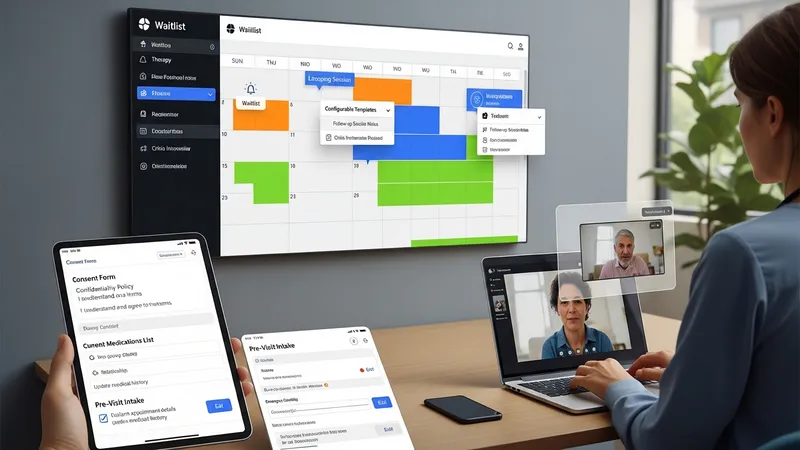
Telehealth integration has become a component of many mental health EHRs, enabling secure session initiation and documentation tied to the encounter. Telehealth workflows typically link appointment records with virtual visit URLs and record session metadata, such as start and end times. When telehealth is used, clinicians and administrators commonly define documentation expectations—for example, noting modality, location of clinician and patient, and any technical issues encountered—to ensure a complete clinical record.
Patient record workflows often include portals that allow individuals to view selected parts of their record, complete pre-visit questionnaires, and manage appointments. In behavioral health, organizations may control which notes and documents are available via portal access to address privacy considerations. Administrative workflows for release of information and record requests are also frequently supported within the EHR to manage legal requirements and interagency data exchange.
Operational tips include aligning scheduling rules with staffing patterns and allowing for buffer times between sessions for documentation. Organizations sometimes use reporting on no-show rates and appointment utilization to adjust scheduling templates. Careful configuration of appointment types, combined with staff training on workflow expectations, typically helps reduce scheduling friction and supports predictable documentation practices tied to each encounter.