
Lead Management System: How It Organizes And Tracks Prospective Customers

Lead capture, contact management, and qualification processes for prospective customers
Lead capture workflows may include website forms, event registrations, inbound calls, social media leads, and integrations with advertising platforms. Each source can present different data completeness and reliability, so configuring required fields and source tags helps downstream processes. Contact records commonly combine personal and organizational attributes, interaction history, and a record of consent where applicable. Maintaining timestamps for first capture and most recent interaction aids in lifecycle analysis and in applying rules for re-engagement.
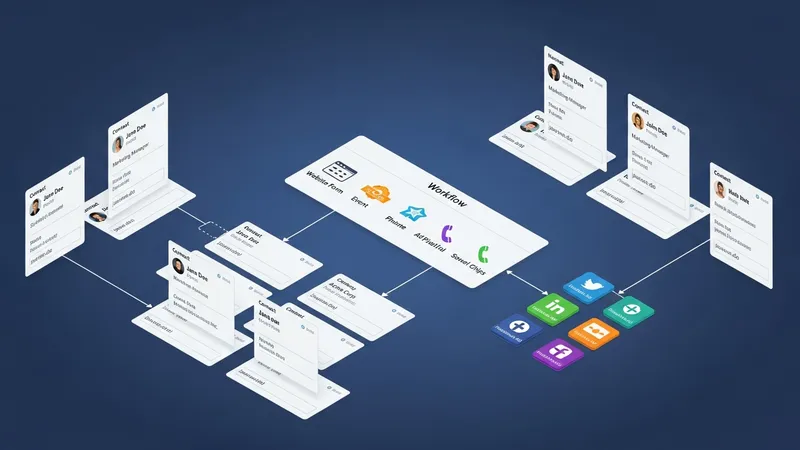
Deduplication routines and matching logic can prevent multiple records for the same person or company. Matching may rely on email address, phone number, or combination rules involving name and organization. Automated merging rules often include review steps to reduce the risk of incorrect merges. Teams typically balance automation and human review to maintain a clean contact base while avoiding excessive manual effort on routine cases.
Qualification commonly uses explicit criteria and behavioral signals. Explicit criteria may include budget ranges, decision timeframe, or authority level, while behavioral signals could be multiple product-page visits or repeated form submissions. Combining these inputs into a qualification checklist or score helps prioritize leads. Organizations may periodically evaluate which criteria correlate with successful conversions and adjust qualification logic to improve alignment with actual outcomes.
Data enrichment is sometimes applied to fill gaps in contact profiles, using publicly available directories or third-party services to append company size, industry code, or seniority level. Enrichment can support more accurate segmentation and routing, but it may introduce privacy considerations and additional costs. Documenting the sources and frequency of enrichment helps teams track data lineage and maintain transparency about where contact attributes originate.