
Industrial Pallet Racking: Key Types, Configurations, And Applications

Safety, inspection, and industry applications for pallet racking systems
Safety practices for racking systems typically include scheduled inspections, incident reporting, and corrective measures for identified damage. Visual inspections may focus on bent or buckled uprights, displaced beams, and evidence of impact from material handling equipment. Many facilities adopt a documented inspection frequency tied to traffic levels, with higher-traffic zones often checked more frequently. Safety accessories such as end-of-aisle guards, column protectors, and rack-mounted signage for load ratings commonly complement inspection regimes to reduce risk.
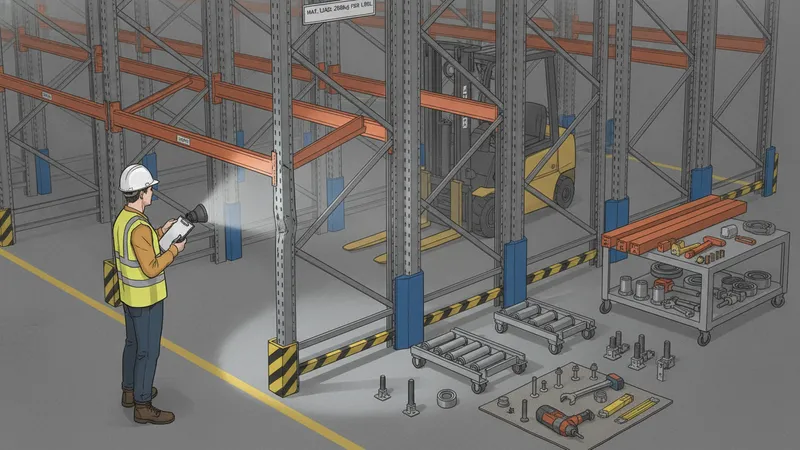
Inspection findings often lead to specific remedial actions, such as replacement of damaged beams, straightening or replacement of uprights, and re-anchoring of racking to the floor. For systems with moving components — pallet flow rollers, push-back carts, or mobile-carriage drives — maintenance intervals for bearings, rollers, and drive motors may be scheduled separately. Establishing a spare-parts inventory for commonly replaced components can shorten repair times and help maintain operational continuity without implying endorsement of particular suppliers.
Typical industry applications vary by racking type. Selective racking often appears in general distribution and retail backrooms where SKU variety demands direct access. Drive-in and drive-through solutions frequently serve cold-storage or bulk storage where high density and limited SKU variety are priorities. Cantilever racking is commonly used in sectors handling long or irregular items such as lumber yards, metalstock warehouses, and fabrication shops. Understanding the material characteristics and handling rhythms of each sector often clarifies which systems may align with operational needs.
System selection factors commonly include inventory turnover, pallet size consistency, available building height, and capital versus operational cost considerations. Safety and regulatory compliance, including local fire codes and workplace-safety standards, also guide decisions. Facilities often prioritise flexible designs when inventory patterns are uncertain and may plan for incremental changes to racking configurations as operational needs evolve. Subsequent sections or professional consultations typically address detailed load calculations and regulatory alignment when projects proceed to design and installation phases.