
Hot Water Heater Repair: Understanding Causes Of Leaks And Inconsistent Temperature

Repair planning and safety considerations related to leaks and inconsistent temperature
Repair decisions typically weigh the scale of the problem, component accessibility, system age, and safety implications. Small leaks at accessible fittings may be repairable with seal replacement or tightening, while tank-shell leaks from corrosion generally indicate more extensive intervention. Electrical repairs involving heating elements or thermostats often require isolating power and confirming proper wiring; gas-related repairs involve burner inspection, gas-valve operation checks, and ensuring proper venting. In all cases, safety steps such as de-energizing circuits and relieving pressure before opening components are relevant considerations.
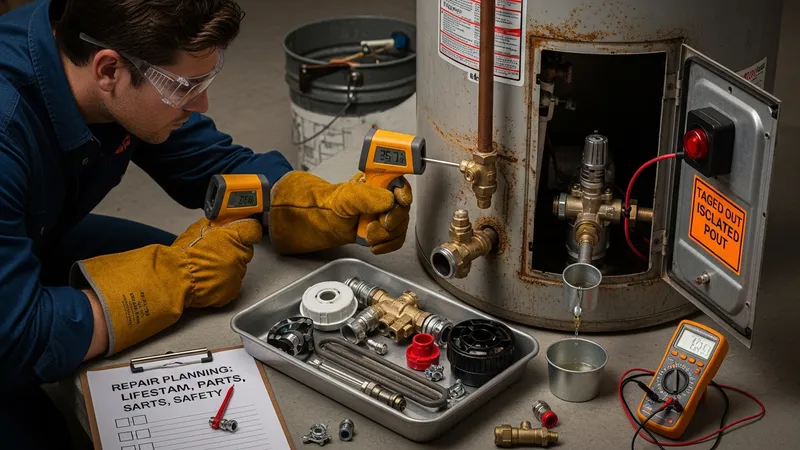
Estimating repair complexity can incorporate typical lifespan ranges for water heaters and their parts. Many conventional storage tanks may often operate for a decade or more under favorable conditions, while components such as heating elements, anode rods, and valves may require attention earlier. Repair planning may consider the remaining expected service life of the entire unit, the availability and cost of replacement parts, and whether repeated component failures suggest underlying system decline. These factors help inform whether part-level repair or system replacement is a practical path.
Permits, local codes, and disposal considerations also relate to repair planning in many jurisdictions. In some areas, certain types of gas or electrical work may require licensed professionals or inspection before a system is returned to service. Proper disposal of removed tanks, cartridges, or components containing hazardous materials should follow local regulations. Factoring these administrative and environmental considerations into repair planning can influence timelines and costs and helps ensure repairs conform to applicable safety and regulatory expectations.
When safety concerns are present—such as active gas leaks, electrical faults producing arcing, or severe tank corrosion producing rapid leakage—professional assessment may be prudent. Professional technicians can perform pressure tests, combustion analysis, and electrical diagnostics that require specialized equipment. Presenting a clear record of observed symptoms, maintenance history, and any prior repairs can assist a professional in making an informed assessment of whether targeted repairs will suffice or whether broader system replacement is advisable.