
Google Explore Car Insurance: Introduction To Research Strategies For Understanding Costs And Coverage Needs

Factors Influencing Premium Costs and Deductible Choices
Premium estimates may reflect many interacting factors, and research often needs to separate underwriting variables from optional choices. Vehicle-related factors such as model, year, safety features, and repair costs can influence rates; similarly, personal factors like driving history, age, credit-based insurance scores (where permitted), and reported mileage can affect premiums. Geographic considerations—such as theft rates, weather exposure, and local repair costs—also commonly play a role. When aggregating information, distinguishing between controllable choices (deductible level, coverage set) and external underwriting criteria can clarify which levers typically move premiums.
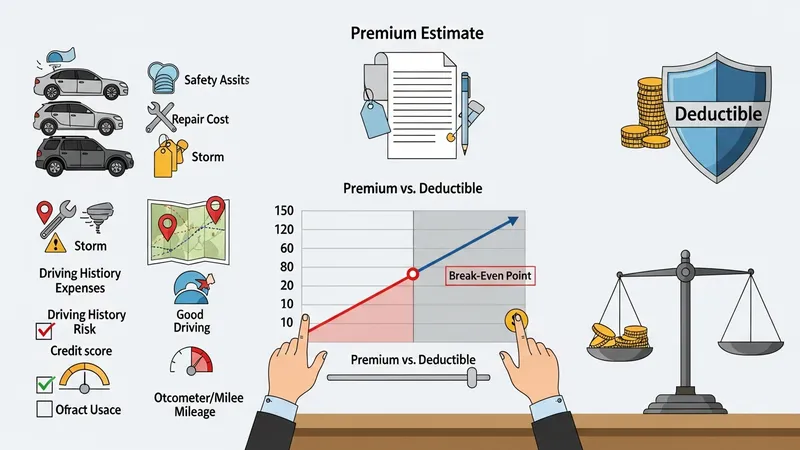
Deductible selection research should consider scenarios that compare premium savings to potential out-of-pocket exposure. Typical deductibles may range from lower levels that reduce immediate risk to higher levels that lower premium cost; the balance often depends on an individual’s financial tolerance for claim-related expenses. Some research frameworks suggest calculating break-even points where premium savings over time offset higher deductibles, but such calculations typically rely on historical claim frequency and are therefore indicative rather than definitive.
Discounts and risk mitigation features can appear in many forms but are applied differently by various insurers. Common reductions may relate to multi-policy discounts, multi-vehicle discounts, driver training, anti-theft equipment, or safe driving records. Usage-based insurance programs that monitor driving behavior may offer pricing that aligns more closely with actual driving patterns; however, participation in such programs may have privacy or data-sharing considerations that merit attention when researching options.
Actuarial and public rate data can provide context about typical price ranges in a market, but research should treat these figures as illustrative. Insurer rate filings and regulatory summaries sometimes report average premiums or loss ratios that may be useful for benchmarking. Aggregating several recent quotes or consulting multiple independent sources may reveal typical premium bands and help identify outliers in pricing presentations without implying a single correct choice for every situation.