
GE Vscan Air Ultrasound: Overview Of Handheld Point‑of‑Care Imaging

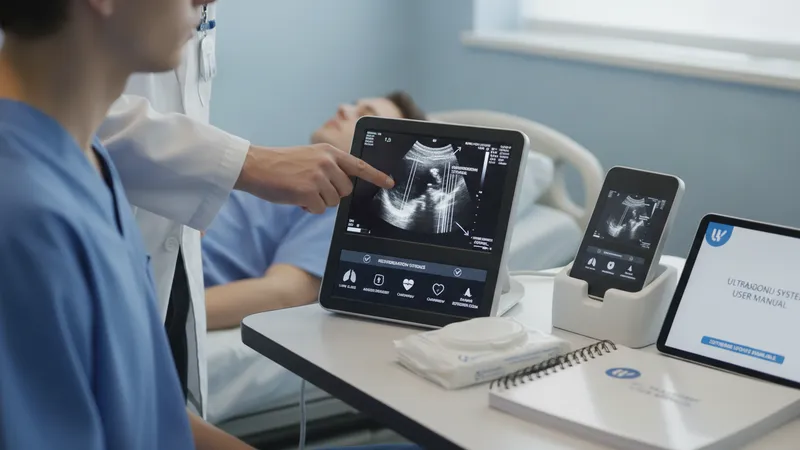
Operation, training, and practical considerations for handheld ultrasound
Effective operation of handheld ultrasound relies on structured training that emphasizes focused imaging protocols and recognition of common artifacts. Short, procedure-oriented training modules may cover insonation angles, probe pressure, and typical artifact patterns such as reverberation or shadowing. Supervised practice sessions and image review with experienced users often help new operators translate textbook views into reliable bedside images. Training typically frames handheld imaging as an adjunct that provides rapid visual information rather than a definitive diagnostic report.
Maintenance and device lifecycle considerations include software update policies, warranty coverage, and routine calibration or performance verification. Regular software updates may add functionality or improve image processing; facilities often schedule updates to minimize disruption. Cleaning and disinfection protocols should align with manufacturer guidance and institutional infection control standards to ensure patient safety while preserving device integrity. Planning for spare devices or service agreements can reduce downtime in high-utilization environments.
Quality assurance measures help ensure consistent image quality and appropriate use. Common practices include image logging, peer review sessions, and periodic audits comparing handheld findings with subsequent full studies when available. These activities may identify gaps in technique, interpretation, or workflow that can be addressed through targeted training or protocol adjustments. Documentation standards for saved images and brief structured reports assist in maintaining a traceable record of bedside assessments.
Adoption planning often assesses clinical needs, training resources, and data governance before routine deployment. Considerations may include identifying clinical champions for education, mapping connectivity pathways to the institution’s record systems, and defining permissible use cases aligned with regulatory guidance. By treating handheld ultrasound as a focused assessment tool with defined boundaries and oversight, organizations can integrate its capabilities into patient care pathways while maintaining clear expectations for when comprehensive imaging is required.