
G Suite Security Compliance: Key Practices And Regulatory Considerations

Data Loss Prevention as a Method in G Suite Security Compliance
Data Loss Prevention functions within G Suite are designed to help organizations manage accidental or unauthorized exposure of sensitive information. In the United States, these features are particularly relevant to entities subject to sector-specific regulations, such as the Gramm-Leach-Bliley Act (GLBA) for finance or HIPAA for healthcare. DLP settings allow administrators to define content rules that scan emails and shared files for confidential information, such as social security numbers or patient data.
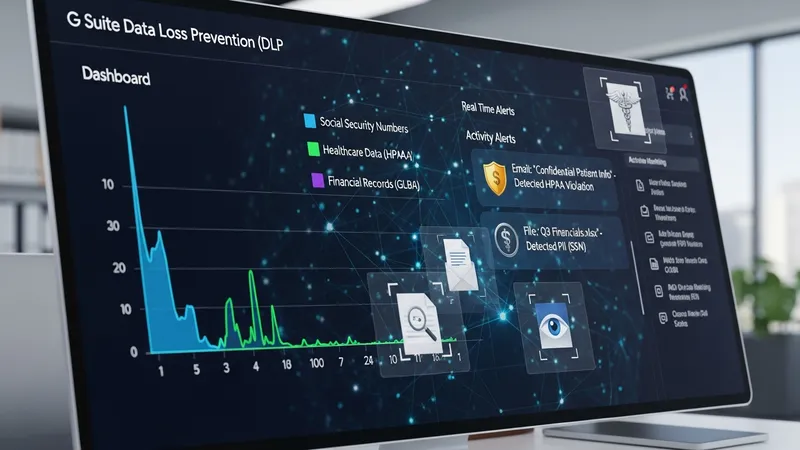
Configuring effective DLP policies generally starts with identifying the types of information subject to regulatory protection. Once established, automated scanning and filtering can help ensure that flagged content does not leave the organization or is only shared internally as permitted. This preventive approach may support compliance with notification obligations in the event of a data incident.
Real-world applications of DLP in the United States often involve a combination of system-based alerts and user education. Regular training on acceptable data handling practices may complement technical controls, providing a layered approach to compliance. Many organizations review DLP rule effectiveness by analyzing violation trends, which can help identify areas for improvement or further restriction.
G Suite’s DLP functions can also be integrated with other monitoring and response systems. When paired with audit logs or automated incident response workflows, these capabilities may support rapid detection and resolution of policy violations. Regular updates to DLP configurations are encouraged to reflect changes in U.S. regulatory definitions or evolving threat landscapes.