
Fiber Internet: Understanding Service Options And Connection Types

Availability, pricing structures, and comparison considerations
Availability of specific fiber connection types varies by geography, regulatory environment, and provider investment priorities. Deployments that extend fiber to premises may be prioritized in new developments or high-density zones, while cabinet/node-based solutions may appear earlier in areas where reuse of existing infrastructure reduces initial cost. When comparing offers, note whether installation fees, recurring equipment rental, and maintenance responsibilities are itemized separately; these components can materially affect total ongoing expense even if headline bandwidth figures appear similar.
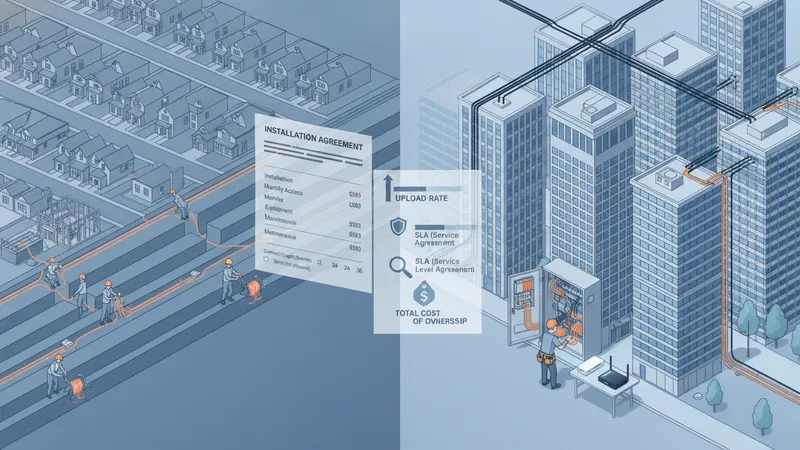
Pricing models typically include one-time installation charges, monthly recurring access fees, possible equipment rental, and optional service add-ons. Contract terms may specify minimum commitment periods and outline conditions for equipment return or transfer. Some providers may offer non-contract, month-to-month options, while others include fixed-term agreements; these choices can influence the total cost of ownership and should be weighed alongside technical factors like achievable upload rates and SLAs where applicable.
Comparative assessment benefits from looking at technical and contractual details in tandem. For example, FTTH often reduces the likelihood of speed degradation due to last-mile copper, possibly improving consistent throughput, while FTTB may require internal wiring upgrades to reach the same per-unit performance. FTTC/FTTN solutions may offer more rapid initial availability in some neighborhoods but may require planning for eventual full-fiber upgrades if higher symmetric capacities are needed in the future.
When documenting options, include installation windows, required in-unit access, expected lead times for upgrades, and any stated maintenance or outage procedures. Comparing these operational aspects alongside bandwidth profiles and equipment responsibilities provides a fuller picture of how each connection type aligns with technical and organizational needs. This integrated view supports a measured decision-making process without prescriptive recommendations.