
Fall Alert For Seniors: How Personal Alert Systems Work At Home And Outdoors

Monitoring, Response Paths, and Communication Methods
Response models typically fall into professional monitoring and direct-contact approaches. Professional monitoring services receive alerts and follow scripted escalation procedures that may include two-way voice attempts, contacting emergency services, and notifying designated caregivers. Direct-contact setups notify family or friends first, leaving escalation decisions to them. Both approaches have trade-offs: monitored services may offer consistent availability while direct-contact models rely on the responsiveness of personal networks. The choice often depends on preferences about professional oversight versus personal involvement.
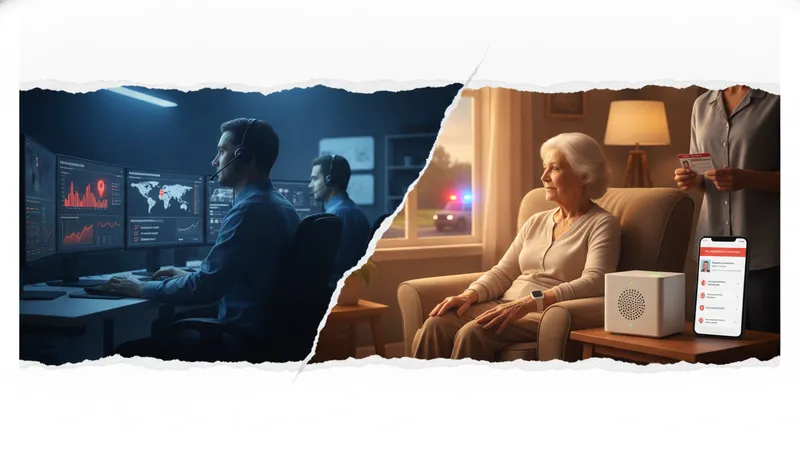
Two-way communication capability is a significant functional element. Many base stations include a speaker and microphone to enable an initial voice exchange with the wearer; cellular-enabled wearables may also include small speakers. Two-way voice can clarify the situation quickly and may reduce unnecessary dispatching of emergency responders. When voice is not possible—if the person is unconscious or severely injured—automated alerts with location data and previously supplied medical or contact information aid responders and contacts in decision-making.
Escalation procedures and contact lists are configurable in many systems. Common practices include listing multiple emergency contacts, establishing an order for whom to contact first, and identifying local emergency services for direct notification where permitted. Some services allow custom messages or medical profile information to be attached to an alert to inform responders. Reviewing and updating contact information periodically helps ensure the right people are reached when an alert occurs.
Legal and regulatory environments can influence how alerts reach official emergency services. In some regions, providers may be able to directly contact emergency dispatch on behalf of a user, while in others, monitoring services must work through personal contacts. Understanding local practices and the provider’s role clarifies expectations for response and potential limitations. For users and caregivers, setting clear protocols that match local norms can help align system behavior with practical needs.