
Energy Transition Investment: Key Strategies For Financing Low-Carbon Infrastructure

Financing Instruments for Low-Carbon Infrastructure
Debt instruments commonly used for low-carbon infrastructure include green bonds, syndicated loans, project-level bank debt, and export-credit facilities. Green bonds typically designate proceeds for environmentally beneficial projects and often align with voluntary guidelines that require reporting on use of proceeds. Project-level bank debt and syndicated facilities may be structured with construction and term tranches to match cash flow timing. Equity financing ranges from sponsor equity to institutional equity funds that take longer-term exposures. The mix of debt, equity, and hybrid instruments often reflects risk allocation objectives and investor time horizons.
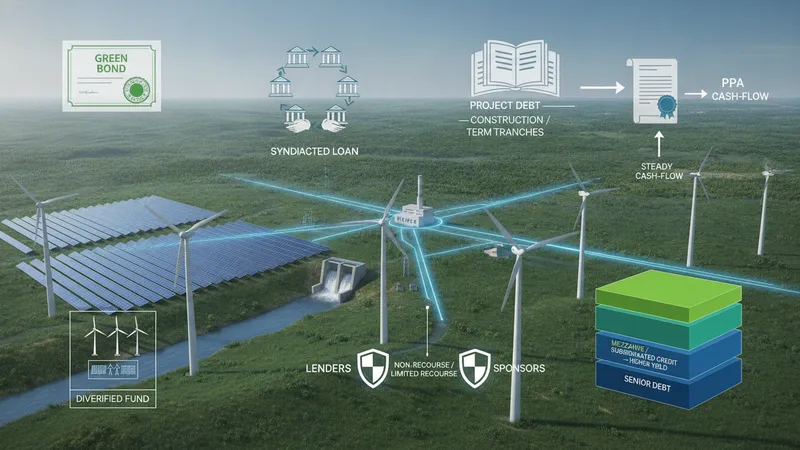
Project finance structures may typically rely on non-recourse or limited-recourse arrangements where lenders look primarily to project cash flows and contractual off-takers. In renewable power, long-term power purchase agreements (PPAs) often underpin revenue projections and can reduce offtake risk. Mezzanine finance and subordinated credit can bridge gaps between senior debt capacity and sponsor equity, often carrying higher pricing and different maturity profiles. Investors may also use funds that aggregate multiple projects to diversify asset-level risk across portfolios.
Blended finance approaches combine concessional capital or grants with commercial lending or equity to improve project bankability. Development finance institutions and philanthropic capital can provide first-loss capital, guarantees, or technical assistance that attract private investors by mitigating specific risks. Such mixes typically aim to mobilize follow-on private finance without implying performance guarantees; they may be structured to taper concessional support as projects mature or as markets develop.
Pricing and tenor patterns may vary by market conditions, asset class, and perceived risk. For example, mature renewable technologies in stable regulatory settings may often secure longer tenors and lower financing spreads compared with emerging technologies or jurisdictional risks. Lenders and investors commonly evaluate scenarios of future cash flows, sensitivity to market prices, and covenant structures when setting pricing. Clear contractual mechanisms and predictable revenue streams often influence financing terms more than promotional claims about a technology’s merits.