
EDC In Clinical Research: Understanding Electronic Data Capture Systems And Their Role In Trials

Data validation, quality control, and audit trail practices in electronic capture systems
Data validation strategies in EDC systems typically combine automated edit checks with manual review processes. Automated checks may include range validations, format checks, and cross-field logic that flag contradictory entries. Manual review often focuses on complex clinical assessments or values that require source verification. Query management workflows commonly route flagged items to site staff for clarification, and resolution status is tracked within the system to document review progress and timing.
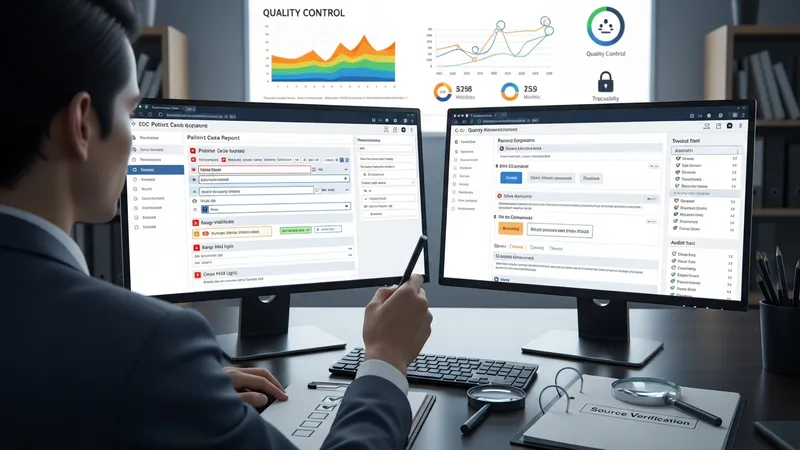
Quality control processes often use monitoring metrics and data listings to identify patterns that might indicate systematic issues such as misunderstanding of field definitions or equipment calibration differences. Periodic database reviews and centralized statistical monitoring may detect outliers or trends that warrant targeted source verification. These reviews can inform updates to edit checks and training materials, though changes during a live study usually follow a controlled process to maintain data integrity and traceability.
Audit trails in EDC platforms typically record who accessed or modified data, the timestamp of the change, and the prior and updated values. Such logs support accountability and may be requested during audits or inspections. Electronic signatures and access control measures further support compliance by tying actions to authenticated users. Documentation of system configuration and validation activities is commonly maintained to demonstrate that the system performs as intended for its specified use.
Handling sensitive data and privacy considerations often involves de-identification or pseudonymization approaches for analysis datasets. Role-based access controls and encryption of data in transit and at rest can help limit exposure of identifiable information. Data retention policies for trial records usually follow applicable regulations and sponsor policies, and decisions about the timing and format of archive exports may be planned well before study closeout to ensure long-term accessibility.