
Agricultural Machinery: How Equipment Selection Influences Farm Productivity

Irrigation equipment, material handling, and system integration
Irrigation hardware ranges from surface and flood systems to sprinklers and localized drip delivery; choice is typically driven by water availability, crop water requirements and soil permeability. Sprinkler systems may offer uniform coverage across variable terrain, while drip systems often aim to reduce application volume and evaporative loss. Center pivot systems provide automated circular coverage for larger fields. Integration with flow meters and basic scheduling tools can help match deliveries to crop needs, subject to the reliability of water sources and field access.
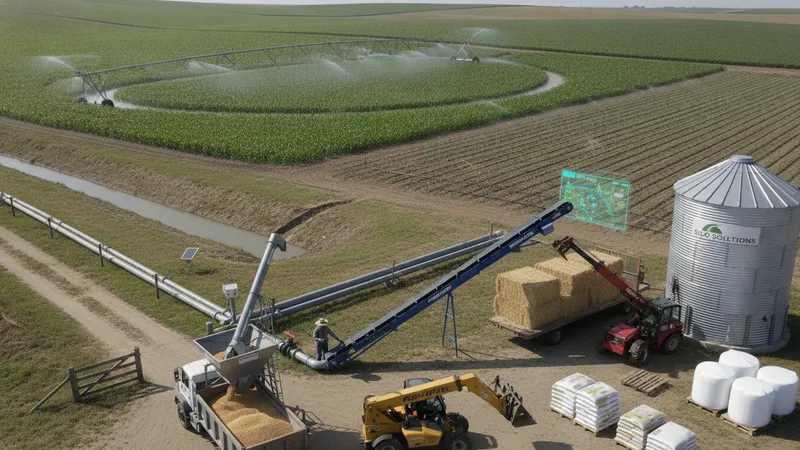
Material handling systems support timely movement of harvested crops and inputs. Augers and conveyors reduce manual handling for grain, while loaders and telehandlers aid in moving bales, pallets and bulk materials. Selection often considers lift capacity, reach, throughput and compatibility with handling surfaces. Properly sized material handling equipment can reduce the time primary machines spend waiting during unloading or staging, and can influence decisions about on-farm storage configuration and transport logistics.
System integration increasingly involves sensors, farm management software, and basic automation. Soil moisture sensors and simple weather stations can feed scheduling decisions for irrigation and spraying, while telematics can record machine hours, fuel use and location to inform logistics and maintenance. Integration choices generally consider data compatibility, robustness of local connectivity, and the capacity of operators to use and maintain the systems. Modular approaches may be preferable so that individual components can be serviced or replaced without extensive system disruption.
When planning integrated systems, interoperability and maintainability are practical considerations. Standardized electrical and hydraulic interfaces, common spare parts, and accessible diagnostic information can reduce downtime and simplify repairs. Training for personnel to handle routine diagnostics and software updates may be necessary to maintain integrated systems. Assessing these elements as part of system planning can help ensure that irrigation, handling and control components function cohesively to support seasonal workflows and resource management goals.